Source Beret Hat for Fashion, Outdoor, and Daily Wear
Explore 30 verified beret hat options from Chinese manufacturers. Buyers can compare materials like cotton and polyester, sizes ranging from 52 to 60 cm, and OEM services for custom branding needs; compare the available evidence and request quotations based on your requirements.
Key considerations
Products List
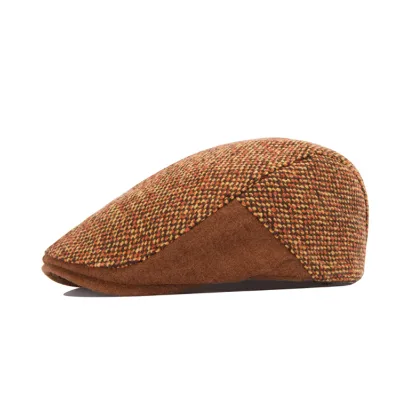
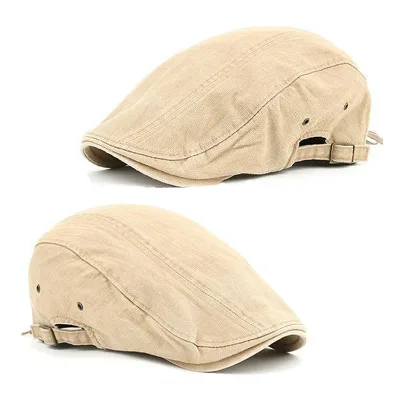


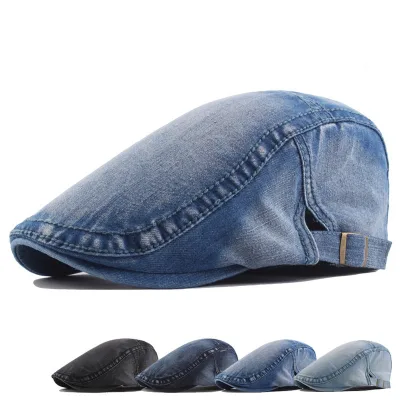


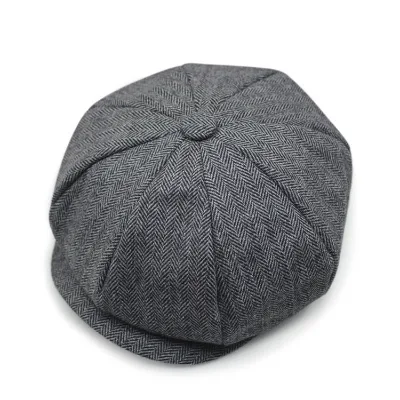


Comprehensive Sourcing Guide
Beret Hat Sourcing Guide
Sourcing beret hats requires a nuanced understanding of material composition, manufacturing techniques, and commercial terms that vary significantly across suppliers. This guide synthesizes observed market signals and technical specifications to help procurement professionals navigate the complexities of acquiring high-quality headwear. By focusing on verified attributes such as fabric blends, sizing standards, and packaging logistics, buyers can mitigate risks associated with inconsistent product quality and supply chain disruptions. The following sections provide a structured approach to evaluating suppliers, ensuring that every decision is grounded in observable data and industry best practices.
The modern beret market offers a diverse range of styles, from classic cotton yarn constructions to contemporary polyester-cotton blends, catering to both unisex and adult demographics. Buyers must carefully distinguish between different model numbers and design features, such as dobby or striped patterns, to align inventory with specific target audiences. Understanding the origin of production, primarily from regions like Hebei and Hubei in China, provides context for manufacturing capabilities and logistical considerations. This guide aims to equip procurement teams with the necessary insights to make informed decisions that balance cost efficiency with product integrity.
Product Scope and Observed Listing Signals
Market listings for beret hats reveal a wide spectrum of product variations, with observed price points ranging from $0.98 to $14 USD and minimum order quantities (MOQs) typically spanning from 25 to 1000 pieces. These signals indicate a flexible supply chain capable of accommodating both small-scale trial orders and larger bulk purchases. Buyers should note that while some suppliers offer OEM services with customizable logos based on client artwork, others may have stricter constraints on design modifications. The presence of multiple model numbers, such as 0203-08 and 7554B, suggests a standardized yet varied product catalog that requires careful verification to ensure consistency across orders.
The seasonal applicability of these hats is primarily identified as spring and autumn, reflecting their typical weight and breathability profiles. Colors observed in listings include light brown and champagne, offering neutral tones that appeal to broad consumer bases. Packaging details often specify quantities like 25 pieces per polybag and 300 pieces per carton, with carton dimensions around 70x40x50 cm and weights near 28-32 kg gross. These logistical details are crucial for calculating freight costs and warehouse storage requirements, ensuring that buyers can accurately forecast total landed costs and manage inventory flow efficiently.
Technical Specifications to Verify
Verifying technical specifications is critical to ensuring that the beret hats meet functional and aesthetic requirements. Key attributes to confirm include the material composition, which may range from pure cotton yarn to blends involving acrylic, floral prints, leather accents, or polyester. Sizing is another vital parameter, with observed ranges extending from 52-60 cm to specific measurements like 58 cm or 56-60 cm. Buyers must clarify whether the hats include a brim or are structured as traditional flat caps, as this significantly impacts the final look and fit. Additionally, style details such as dobby weave or striped patterns should be explicitly defined in the purchase order to avoid discrepancies in the delivered goods.
Sample times and production capabilities also play a significant role in the sourcing process. Suppliers typically offer sample times of 3-5 days, allowing for quick evaluation of quality before committing to large orders. Supply abilities are often cited as 1000 pieces per day, indicating robust manufacturing capacity for timely delivery. However, buyers should verify if these capacities are consistent across different material types and design complexities. Understanding the single package dimensions, such as 45x35x13 cm or 23x21x15 cm, helps in optimizing packaging efficiency and reducing shipping costs, ensuring that the product arrives in optimal condition.
Compliance and Safety Documentation
While specific certification statuses are not universally confirmed in all listings, buyers should proactively request documentation related to product safety and material compliance. Trusted category knowledge suggests that standards like OEKO-TEX may be relevant for textile products, ensuring that fabrics are free from harmful substances. Procurement teams should verify if suppliers have undergone any third-party audits or hold certifications that guarantee ethical manufacturing practices and environmental responsibility. This due diligence is essential for maintaining brand reputation and adhering to international trade regulations, particularly when exporting to markets with strict textile safety laws.
Buyers must also ensure that all labeling and packaging comply with destination country requirements, including fiber content disclosure and care instructions. Although specific test results are not provided in the observed data, requesting recent test reports for flammability, colorfastness, and chemical content can provide additional assurance of product quality. Establishing clear communication channels with suppliers regarding compliance expectations helps prevent potential customs delays or product recalls. By prioritizing documentation and verification, buyers can safeguard their supply chain against regulatory risks and ensure that all products meet the necessary safety standards for their target markets.
Cost Drivers and Commercial Terms
Understanding the commercial terms associated with beret hat procurement is essential for accurate budgeting and risk management. Payment methods commonly accepted include Western Union, Telegraphic Transfer (T/T), and Letters of Credit (L/C), offering flexibility for different transaction sizes and risk profiles. Buyers should negotiate clear payment terms, such as a deposit followed by balance upon shipment, to protect their financial interests. Additionally, delivery times are often estimated at two weeks, but this can vary based on order volume and customization requirements. Confirming these timelines in writing helps in planning inventory replenishment and avoiding stockouts.
The port of dispatch, frequently listed as Tianjin, Shenzhen, or Qingdao, influences freight costs and transit times. Buyers should consider the proximity of these ports to their final destination to optimize logistics. Packaging details, such as the weight and dimensions of cartons, directly impact shipping charges, so verifying these metrics is crucial for cost estimation. Furthermore, the availability of OEM and ODM services may incur additional costs, which should be factored into the overall budget. By carefully analyzing these commercial terms, buyers can negotiate favorable conditions and ensure that the total cost of ownership remains within acceptable limits.
Supplier Qualification and Quality Control
Evaluating supplier qualification is a pivotal step in securing a reliable supply chain for beret hats. Buyers should assess the supplier’s production capacity, quality control processes, and ability to meet specific design requirements. The presence of OEM services and customizable logo options indicates a supplier’s flexibility and commitment to client satisfaction. However, it is essential to verify the supplier’s track record through references or past performance data. Conducting factory audits, either physically or via third-party agencies, can provide insights into manufacturing standards and working conditions, ensuring that the supplier aligns with the buyer’s ethical and quality expectations.
Quality control measures should be clearly defined and agreed upon before production begins. This includes establishing acceptance criteria for materials, stitching, and overall finish. Buyers may request pre-shipment inspections to verify that the goods meet the specified standards before payment is finalized. Additionally, understanding the sample approval process is crucial, as samples serve as the benchmark for mass production. By implementing rigorous quality control protocols, buyers can minimize the risk of receiving substandard products and maintain consistency across their inventory, thereby protecting their brand reputation and customer satisfaction.
Long-Term Procurement Checks
Establishing long-term procurement checks ensures sustained quality and reliability in the supply of beret hats. Regular performance reviews of suppliers should be conducted to assess their adherence to agreed-upon terms, delivery schedules, and quality standards. This includes monitoring any changes in material composition or manufacturing processes that could impact product consistency. Buyers should also stay informed about market trends and technological advancements in hat manufacturing to identify opportunities for innovation or cost savings. Maintaining open communication with suppliers fosters a collaborative relationship, enabling proactive problem-solving and continuous improvement.
Additionally, buyers should periodically re-evaluate their supplier base to ensure competitiveness and resilience. Diversifying suppliers can mitigate risks associated with single-source dependencies, such as production disruptions or price volatility. It is also important to review and update contracts to reflect current market conditions and regulatory requirements. By implementing a structured approach to long-term procurement, buyers can build a robust supply chain that supports their business goals and adapts to changing market dynamics. This strategic focus on relationship management and risk mitigation ensures that the procurement of beret hats remains efficient, cost-effective, and aligned with overall business objectives.
FAQs
What materials are used for these beret hats?
The beret hats are crafted from cotton yarn, polyester, or blends of cotton and acrylic. Some variations include floral or leather fabrics. Buyers can select from these options based on their specific style and comfort requirements for the spring and autumn seasons.
Which sizes are available for the beret hats?
Available sizes range from 52 to 60 centimeters to ensure a proper fit for most adults. Specific models offer sizes like 56 to 60 centimeters or a fixed 58 centimeters. This range accommodates various head circumferences for unisex wearers seeking a comfortable fit.
Can I request custom branding on these hats?
Yes, OEM and ODM services are available for custom branding. Buyers can provide their own artwork for the logo, and the supplier offers design services to implement these requests. This allows for personalized branding while maintaining the high-quality construction of the beret hats.
How long does it take to receive samples?
Sample preparation typically takes three to five days for completion. This short lead time allows buyers to verify quality and design before placing larger orders. Samples are available for most models to ensure the product meets your specific expectations and standards.
What is the minimum order quantity for these hats?
The minimum order quantity varies between 25 and 1000 pieces depending on the specific model and supplier terms. Some listings indicate a starting point of 50 pieces. Buyers should confirm the exact MOQ with the supplier to ensure it aligns with their purchasing volume.
Where are these beret hats manufactured?
These beret hats are manufactured in China, specifically in regions like Hebei and Hubei. The products are dispatched from major ports such as Tianjin, Shenzhen, or Qingdao. This location ensures efficient logistics and shipping options for international buyers seeking reliable sourcing.
What payment methods are accepted for orders?
Accepted payment methods include T/T, Western Union, and L/C. These options provide flexibility for different transaction needs and security levels. Buyers can choose the method that best suits their financial processes when finalizing the purchase agreement with the supplier.